Local Guides - Watsonville
How to Finance an ADU in Watsonville

Financing an ADU in Watsonville is usually the part homeowners worry about most, and it is also the part that gets easier once you see the actual numbers. Watsonville sits about 25 minutes from our factory in Salinas, right in the heart of our service area, and we have completed ADU projects for families here who wanted rental income, room for aging parents, or space for grown kids to move into. Because Watsonville writes its own local ADU standards rather than defaulting entirely to the county, the size limits and fees you will run into here are specific to the city, and that local detail actually matters once you start talking to a lender.
The short version: Most Watsonville homeowners pay for their ADU with a HELOC, a cash out refinance, or a construction loan borrowed against the equity in their existing home. Framework First does not lend money directly, but our all inclusive pricing means you know your full project cost before you sign anything, so there are no surprise draws or change orders to finance around later. A refundable $1,000 signup deposit holds your project, and a feasibility study ($497 standard, $997 for an empty lot) confirms your Watsonville lot can actually host an ADU before you commit to a model or a loan.
On this page
The three financing paths homeowners actually use
There is no special “ADU loan” that everyone gets. In practice, Watsonville homeowners use one of three routes, all borrowed against the value already sitting in their primary home.
A home equity line of credit, or HELOC, is the most common starting point because it is flexible and usually the fastest to set up. A cash out refinance replaces your existing mortgage with a larger one and hands you the difference in cash, which can make sense if today’s rates work in your favor. A construction loan is built specifically around a build timeline, releasing funds in draws as the project progresses rather than all at once. We do not lend directly and we are not loan officers, so rather than re-explain each option in full here, we would rather point you to the deeper breakdowns: How to Finance an ADU in California walks through all three paths statewide, HELOC vs Construction Loan for an ADU compares the two head to head, and ADU Loans California covers lender specific questions worth asking before you apply.
Why an all inclusive price makes the loan conversation simpler
One thing that trips up homeowners financing an ADU elsewhere is scope creep. A permit fee here, a change order there, an unexpected utility hookup cost, and suddenly the loan you arranged does not cover the finished project. Our pricing is all inclusive from permits through appliances, which means the number you finance against is the number you actually pay. There are no separate draws to negotiate for site work, foundation, framing, and finishes, because that is already built into your model’s price and timeline. Watsonville’s own approval process helps here too. Like every California city, Watsonville must review a complete ADU application ministerially, meaning no public hearing and a decision within 60 days, which keeps the front end of your timeline predictable and shortens how long you are carrying interest before construction even starts.
What you’ll actually pay before your loan closes
Two numbers matter before you are financing anything real. The $1,000 signup deposit is refundable if your financing falls through, so it is not money at risk while you are still lining up a HELOC or construction loan. The feasibility study, $497 for a standard lot or $997 if the lot is empty, checks whether your Watsonville property can host an ADU at all, and that fee credits toward your build. It is refundable only if your property turns out unable to support an ADU. Worth knowing for your budget: Watsonville waives local impact fees entirely for ADUs under 750 square feet, and every lot in the city, regardless of the local size table, is entitled to at least an 800 square foot ADU under state law. A smaller unit can mean a smaller loan and fewer fees layered on top of it.
Matching a model, and a loan amount, to your lot
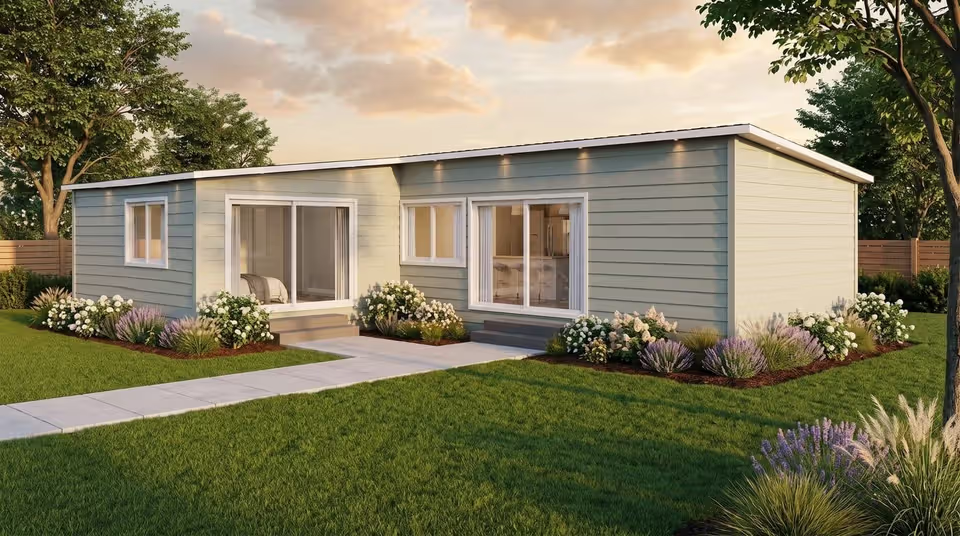
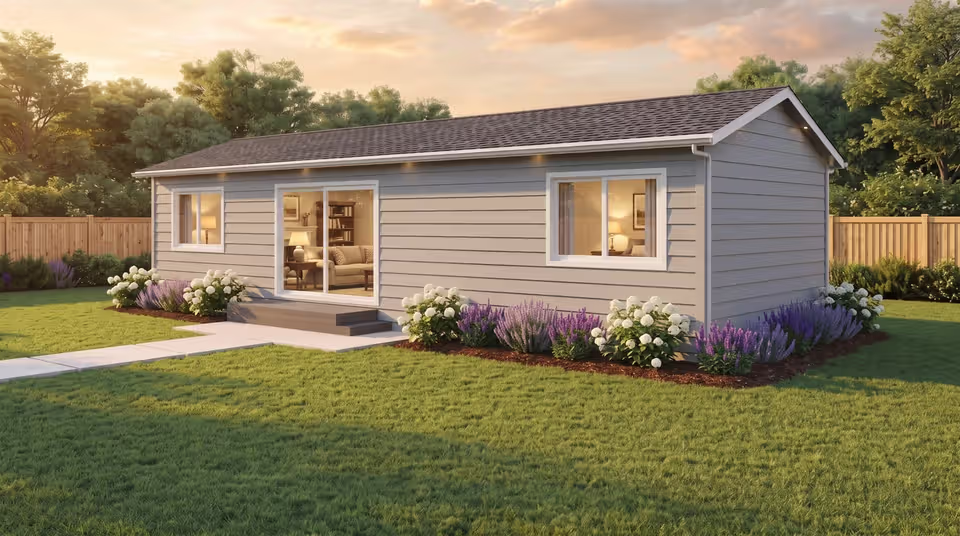
Since you will likely be sizing your financing around a specific model, it helps to see the range. The Four Fifty starts at $199,000 for a studio and takes about 4 months. The Six Sixty 2BR runs $339,000 for a two bedroom unit in 5 months. The Seven Forty-Nine, at $369,000 over 5 to 6 months, is the largest model that still stays under 750 square feet and skips Watsonville’s impact fees entirely. On the larger end, the Twelve Hundred U reaches $599,000 for a full three bedroom, two bath home over 7 to 9 months. If rental income is part of your plan, our sitewide rent estimates (around $2,000 a month for a studio up to $3,450 for a three bedroom) can help you sanity check whether projected rent would cover a loan payment, after accounting for planning level assumptions like 5% vacancy, 8% maintenance, 1.25% property tax, and 0.5% insurance. These are planning estimates only, not guarantees, but they are a reasonable starting point for a conversation with your lender.
For the permit side of this same project, see ADU permits in Watsonville, and for a realistic week by week schedule, see ADU timeline in Watsonville.
Frequently asked questions
Does Framework First offer financing directly?
No. We do not lend money. Homeowners in Watsonville typically arrange a HELOC, cash out refinance, or construction loan through their own bank or a lender, using equity in their existing home. Our team can walk you through what most clients do, but the loan itself comes from your lender.
Is the $1,000 deposit at risk if my financing does not come through?
No. The signup deposit is refundable if your financing falls through, so you are not committing money you cannot get back while you are still working with a lender.
What does the feasibility study cost, and is it refundable?
It is $497 for a standard lot or $997 if the lot is empty. The fee credits toward your build if you move forward, and it is refundable only if your property is found unable to host an ADU.
Does owner occupancy affect my ability to finance an ADU in Watsonville?
Watsonville does not require owner occupancy for a standard ADU (only a Junior ADU carries that requirement). That is a local zoning rule, though, not a lending rule, so it is still worth confirming directly with your lender whether occupancy affects your specific loan product.
Ready to talk through your numbers
If you are ready to see what an ADU could actually cost on your Watsonville lot, and what that means for a HELOC, refinance, or construction loan, our team can walk through it with you. Contact us to get started.
Free Tool
Watsonville ADU rules lookup →
Answer a few questions and get the ADU rules for your Watsonville property, cited to official sources.
Free Tool
Free Watsonville property report →
Type your address and see your lot, what fits on it, and the local rules in one report.
More on building here: ADUs in Watsonville · Santa Cruz County ADU regulations