ADU Questions · 2026
ADU Impact Fees Explained

California ADU impact fees, the park, traffic and similar fees cities, counties and special districts charge to fund growth, are waived entirely for any ADU of 750 square feet of interior livable space or less. Above 750 square feet, the fees can’t be charged as a flat new-construction rate, they have to be proportional to the size of your primary home instead.
The short version: At 750 sq ft or less, no impact fees. Above 750 sq ft, impact fees must scale with your primary home’s size, not the flat rate a new house would pay. This is separate from building permit and plan-check fees, which are set locally and scale with your project’s valuation.
On this page
What “impact fees” actually means
Impact fees are the charges a city or county collects specifically to offset the burden new housing places on public infrastructure. The most common categories are:
- School fees, paid to the local school district, which follow a separate rule covered below
- Park fees (sometimes called park dedication or quimby fees)
- Traffic or transportation fees, sometimes called traffic impact mitigation fees
These are distinct from your building permit fee. Impact fees exist to fund infrastructure at a community level, and California’s ADU law places specific limits on how much of that burden can land on an ADU.
The 750 square foot rule, in full
California law is direct about this one:
| ADU size | Impact fee treatment |
|---|---|
| 750 sq ft or less | Impact fees (park, traffic and other local agency fees) are waived entirely |
| Over 750 sq ft | Fees must be proportional to the primary dwelling’s size, not a flat new-construction rate |
The proportionality rule matters because before ADU law reformed this, some cities charged an ADU the exact same flat impact fee as an entire new single-family home, even if the ADU was a fraction of the size. That’s no longer allowed. If your ADU is over 750 sq ft, the fee has to be calculated as a ratio of the ADU’s square footage to the primary home’s square footage, not treated as if you were building a brand new house from scratch.
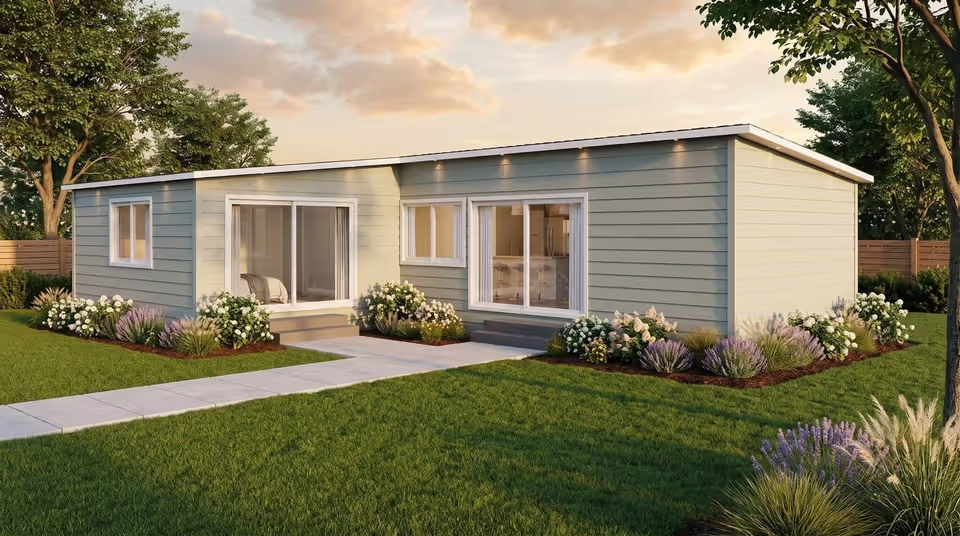
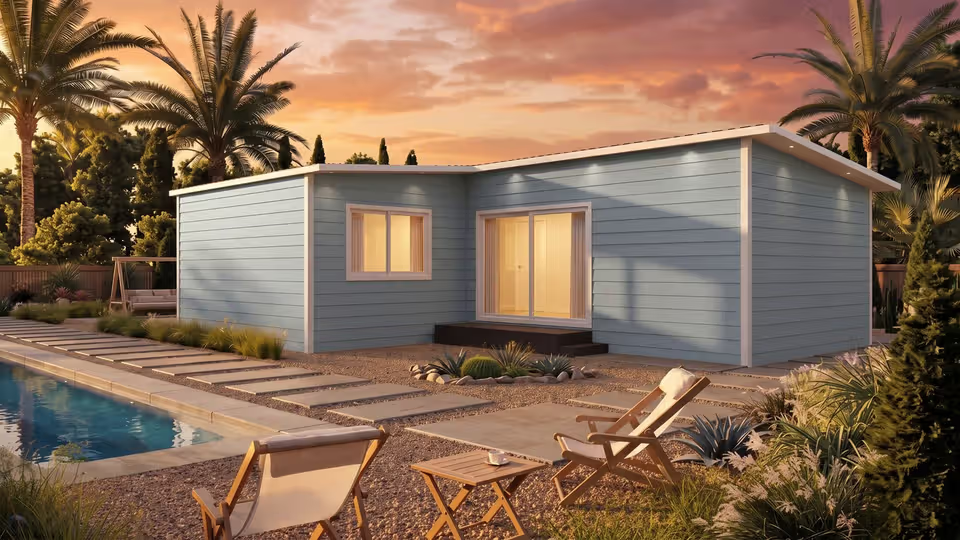
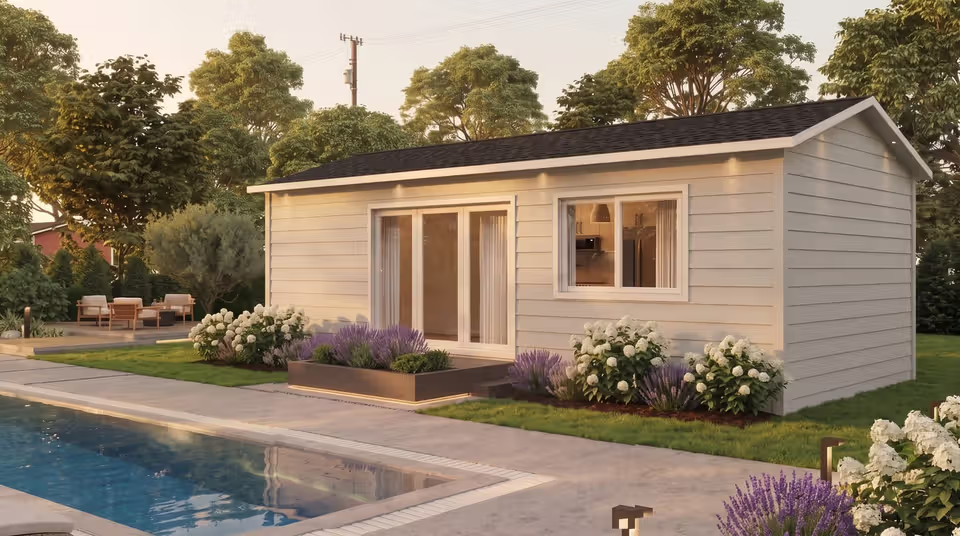
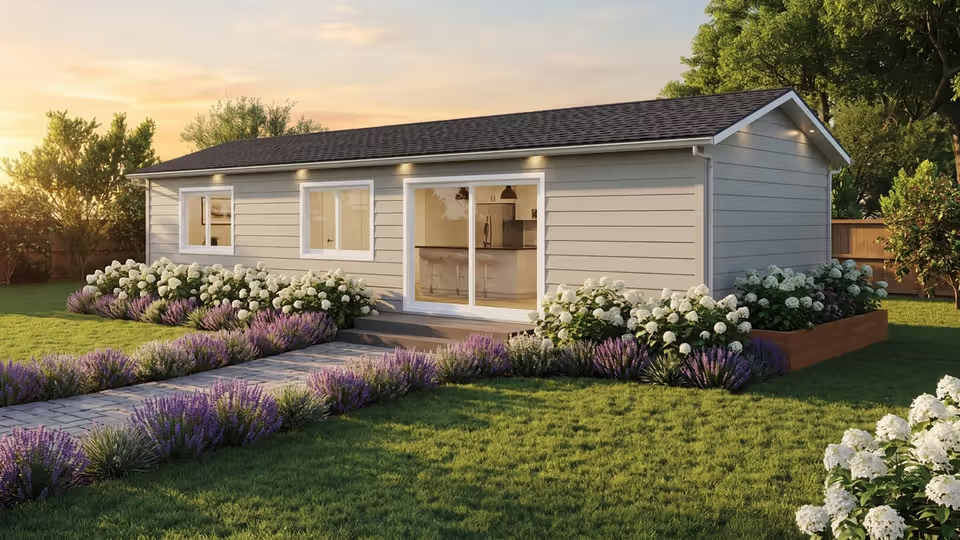
Most of Framework First’s models land at or under 750 sq ft, which is part of why sizing matters so much in the early planning conversation, not just for construction cost, but for what it does to your fee exposure. Staying under that line is one of the levers in our guide to the cheapest way to build an ADU.
Impact fees are not the same as building permit fees
This is where a lot of homeowners get confused, and it’s worth being precise about.
Impact fees (park, traffic and similar local fees) are what’s discussed above, they’re subject to the state’s 750 sq ft waiver and proportionality rule. School fees are the exception: according to the state’s ADU Handbook, school districts may charge them on ADUs larger than 500 sq ft of interior livable space, under Education Code section 17620. We cover that in do ADUs pay school fees.
Building permit and plan-check fees are a completely different bucket. These are set locally by each city or county’s building department, and they typically scale with your project’s construction valuation, not with a statewide waiver. Every jurisdiction sets its own schedule, and there’s no single statewide number to quote here, your local building department (or your feasibility study) will confirm the exact figures for your address. For one county worked through in detail, see our breakdown of Santa Clara County ADU fees.
So a homeowner building a 650 sq ft ADU might owe zero in school, park, and traffic impact fees, but still owe a building permit fee based on the construction valuation of the project. Both are real costs, but they’re governed by different rules and calculated differently.
Other jurisdiction-specific fees, utility connection fees, water or sewer capacity charges, and similar local charges, sit in their own category too, and vary the same way permit fees do: by city, by county, and sometimes by water or sewer district. If you want the full local picture, county-specific breakdowns like our guides to Monterey County ADU fees, Santa Cruz County ADU fees, and San Benito County ADU fees walk through what each area actually charges.
How this fits into building with Framework First
Framework First’s pricing already builds in a permitting budget, so you’re not chasing separate fee payments to the city on your own while your ADU is underway, though your exact permit and impact fee numbers are confirmed for your address during the feasibility study. During a feasibility study, we confirm the specific fee picture for your address and your chosen model size, including whether you land under or over the 750 sq ft impact fee threshold, before you’re committed to anything. If you’re still comparing sizes, our guide on how big an ADU can be in California and the broader permit timeline guide are good next stops.
Frequently asked questions
Do all ADUs of 750 square feet or less skip impact fees completely?
Yes, for impact fees charged by cities, counties, special districts and water corporations, such as park and traffic fees. California law waives these for any ADU of 750 sq ft of interior livable space or less, statewide. School district fees are separate and can apply to ADUs larger than 500 sq ft. This doesn’t waive building permit fees or utility connection charges, which are set locally and apply regardless of ADU size.
If my ADU is exactly 750 square feet, does the waiver apply?
Yes. According to the state’s ADU Handbook, the waiver covers an ADU with 750 sq ft of interior livable space or less. Above that, fees are calculated relative to your primary home’s size rather than waived outright. If you’re sizing a model near that line, it’s worth confirming the exact treatment for your project during a feasibility study.
Are impact fees the same everywhere in California?
No. The waiver and proportionality rules are statewide, but the actual fee schedules, and whether a city even charges school, park, or traffic fees in the first place, vary by city, county, and school or utility district. A feasibility study or your local building department can confirm what applies at your specific address.
Does Framework First handle impact fees for me?
Yes, in the sense that matters most: Framework First builds a permitting budget into every quoted price, so you’re not chasing a separate invoice from the city while your ADU is underway. Impact fees (waived under 750 sq ft) and building permit fees are set locally, so we confirm the exact fee picture for your property during the feasibility process, before you commit.
What if my ADU is a JADU instead of a standalone ADU?
JADUs are capped at 500 sq ft, so they fall well under the 750 sq ft impact fee threshold and are generally waived from these fees too. See our JADU vs ADU guide for how the two differ more broadly.
Want the exact fee picture for your property and your preferred model size? Start a feasibility study and we’ll confirm it before you commit to anything.