ADU Questions · 2026
Can I Build Two ADUs on My Lot?

Often, yes, as long as one of them is built from existing space. On a single-family lot, California law requires cities and counties to allow at least one ADU converted from existing space, one JADU (Junior ADU), and one newly built detached ADU, all on the same lot. What state law does not guarantee is two brand-new detached ADUs side by side in the backyard. Multifamily lots play by a different, more generous set of rules.
The short version: A single-family lot can combine a converted ADU (inside the house or an existing accessory structure, like a garage), a new detached ADU and a JADU, under Government Code section 66323. Two new detached ADUs on one single-family lot are not guaranteed by state law. Multifamily lots can add several detached ADUs.
On this page
The single-family rule: up to three units, built three different ways
According to the state’s ADU Handbook (March 2026 edition), Government Code section 66323 describes types of ADUs that every local agency must approve, and it requires them to be combinable. On single-family lots, that means a local agency must allow at least:
- One ADU built from existing or proposed space, inside the house or an existing accessory structure, such as a garage conversion. The handbook allows a 150 square foot expansion of an accessory structure for ingress and egress.
- One JADU, up to 500 square feet, inside the proposed or existing single-family home.
- One newly built detached ADU with side and rear setbacks of no more than four feet. Under this specific state guarantee, the detached unit can be up to 800 square feet, with a height limit of 16, 18 or 20 feet depending on the conditions in Government Code section 66321.
So the real answer to “can I build two ADUs” is yes, when one is a conversion and the other is a new detached home. Many local ordinances also allow a larger detached ADU than the 800 square foot state guarantee, and how a larger unit combines with the other unit types depends on your city or county’s rules.
The JADU is the most limited of the three. It must be created within the walls of the home, can use a smaller “efficiency kitchen,” and if it shares a bathroom with the main house, the owner has to live on the property. For a deeper side-by-side on how the two unit types differ, see JADU vs. ADU.
Why people ask for “two ADUs” and what they usually mean
Most people asking this question are really asking one of two things: “can I maximize rental income with two units,” or “can I house two separate family situations on one property.” Both are very achievable on many single-family lots.
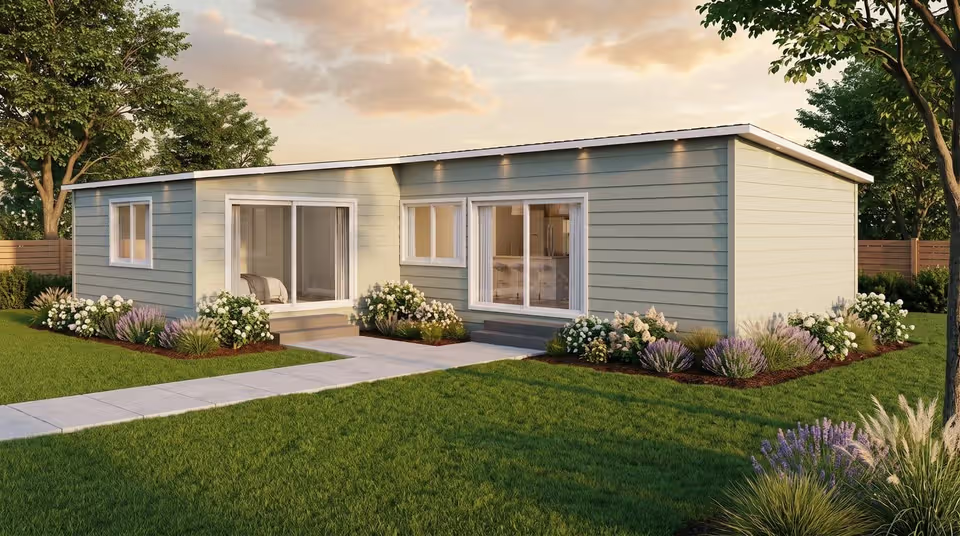
A common setup is one new detached ADU built as a full independent home for a tenant or family member, paired with a garage conversion or a JADU carved out of existing space for a second, lower-cost unit. If you have a sound garage, converting it as the second ADU can add a full unit without giving up more yard. For general size limits and how they apply to your specific lot, see how big an ADU can be in California and can I build an ADU on my property.
If your goal is two brand-new, full-size homes, there’s a different legal path worth knowing about: splitting the lot itself. Under SB 9, an eligible single-family lot can sometimes be split into two separate legal parcels. That’s a bigger, more involved process than standard ADU permitting, and eligibility depends heavily on your specific lot and zoning. See SB 9 lot splits in California for how that works.
Multifamily lots get more room
If your property is developed as multifamily, state law is more generous. According to the state’s handbook, a lot with an existing multifamily dwelling can add up to eight detached ADUs, never more than the number of existing units on the lot, and a lot with a proposed multifamily dwelling can add up to two. Separately, ADUs can be created in the non-livable parts of an existing multifamily building, such as storage rooms, with at least one allowed and up to 25 percent of the existing units.
That distinction matters if you’re evaluating a duplex, triplex, or small apartment property rather than a single-family home. The unit-count math is different, and it’s worth confirming exactly how many units your specific property qualifies for before assuming a number either way.
| Lot type | State-law unit combination |
|---|---|
| Single-family lot | One converted ADU, one JADU and one new detached ADU |
| Existing multifamily lot | Up to 8 detached ADUs (never more than existing units), plus converted units in non-livable space |
Building with Framework First
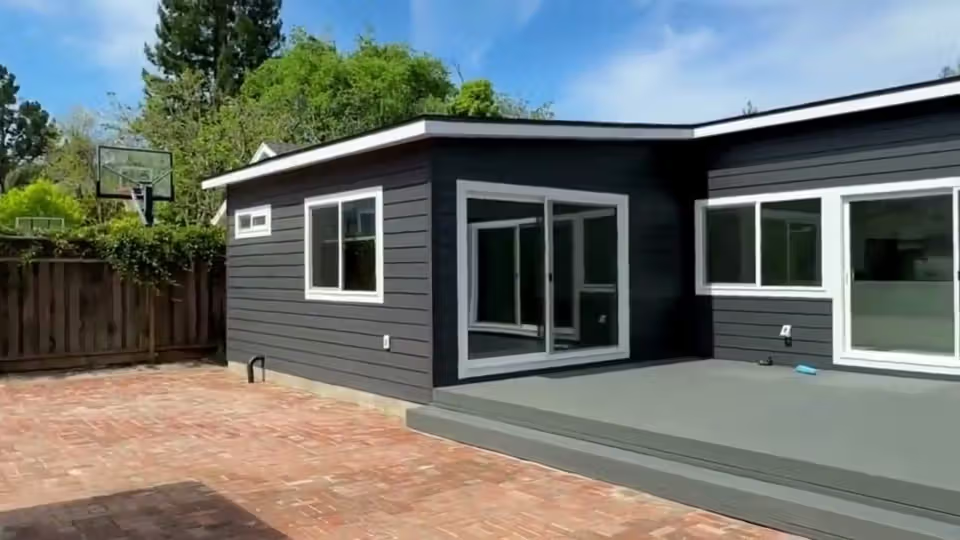
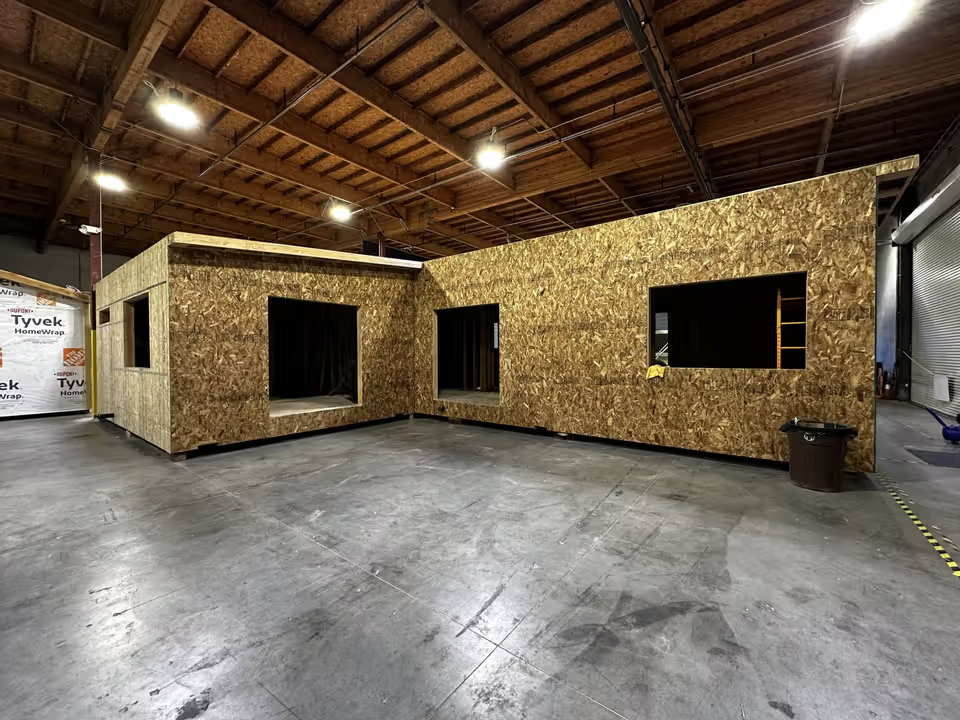
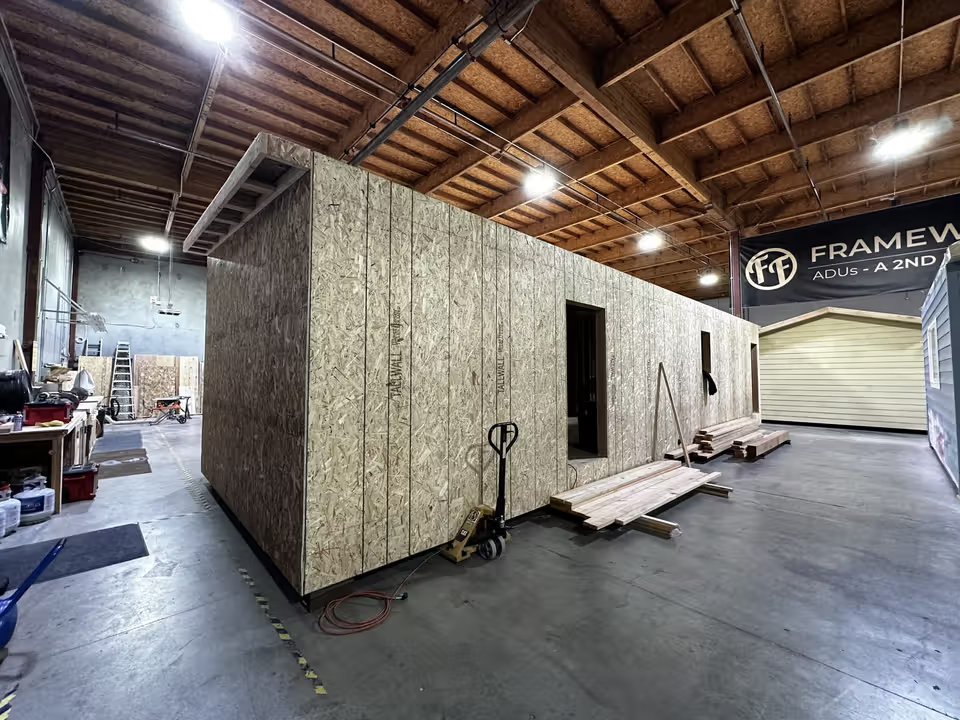
Whatever combination of units makes sense for your lot, a feasibility study is where Framework First confirms exactly what your specific property qualifies for under your city or county’s rules, since local zoning can add its own layers on top of the state baseline. From there, our pricing includes a permitting budget along with plans, the factory build, delivery, utility hookups, appliances, and final inspection, built roughly 97% in our Salinas factory and crane-delivered to your site. Your exact permit costs get confirmed in the feasibility study once your city and property are known. You can browse the full range of ADU models to see what fits as the new detached unit on your lot.
Frequently asked questions
Can I build two ADUs on a single-family lot?
Often, yes. State law requires local agencies to allow a converted ADU from existing space, a new detached ADU and a JADU together on a single-family lot. Two new detached ADUs on the same single-family lot are not guaranteed by state law, so that depends on local rules.
What’s the actual difference between an ADU and a JADU?
An ADU can be detached, attached or converted, with its own full kitchen and bathroom, and no owner-occupancy requirement. A JADU is capped at 500 square feet, must be built within the walls of the existing home, can use a smaller efficiency kitchen, and requires owner-occupancy only if it shares a bathroom with the main house.
Can a multifamily property add more than two units?
Yes. According to the state’s handbook, a lot with an existing multifamily dwelling can add up to eight detached ADUs, never more than the number of existing units, plus ADUs converted from non-livable space in the building.
Is there any way to get two brand-new, separate homes on a single-family lot?
The most common path is splitting the lot itself into two legal parcels under SB 9, where eligible. Some local ordinances may also allow more. Both depend on your lot’s specific zoning and eligibility, so they need to be confirmed case by case.
How do I find out exactly what my lot qualifies for?
Local zoning can add rules on top of the state baseline, and every lot is a little different. A feasibility study is the most reliable way to get a clear, specific answer for your property before you plan around any assumption.
Not sure whether your lot fits one unit or more? Start a feasibility study and get a clear answer for your property.