Local Guides - Gilroy
How to Finance an ADU in Gilroy

Financing is usually the part of building an ADU that stops Gilroy homeowners in their tracks, not the construction itself. You know roughly what you want to build. What’s harder is figuring out how to pay for it without surprises showing up mid-project.
Short version: most Gilroy homeowners finance an ADU with a HELOC, a cash-out refinance, or a construction loan against their home equity. We do not lend directly. Because our price builds in a permitting budget from the start, the loan amount you apply for stays close to the final number, not a starting estimate that grows as the project goes.
On this page
What building here actually costs
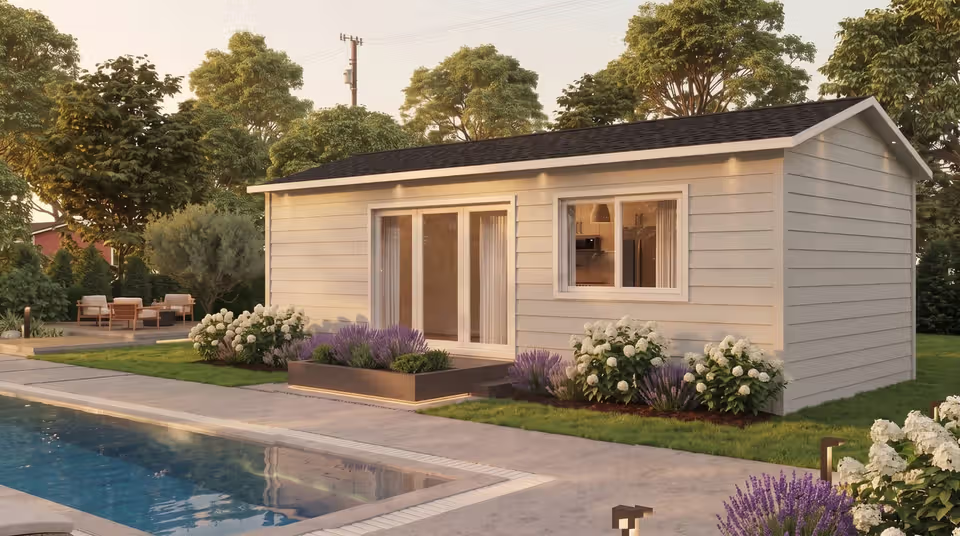
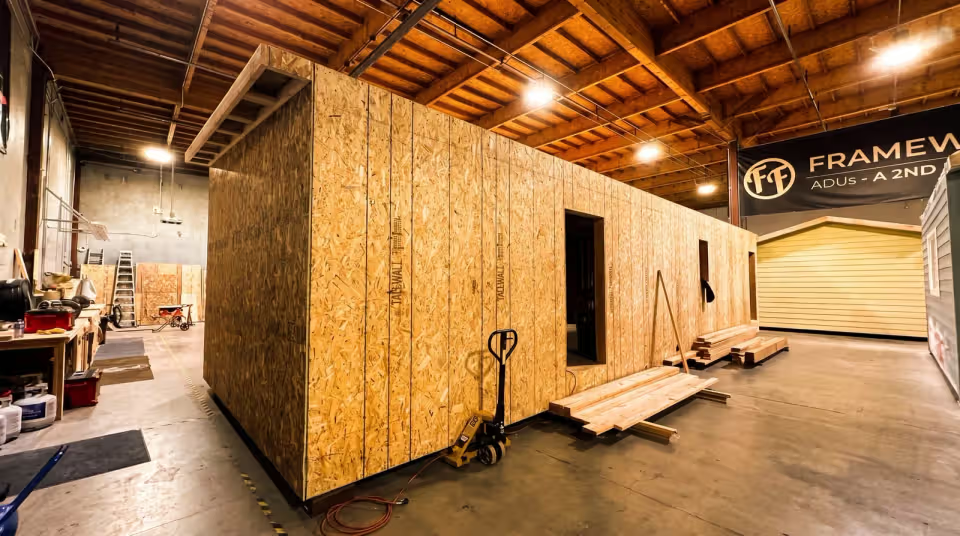
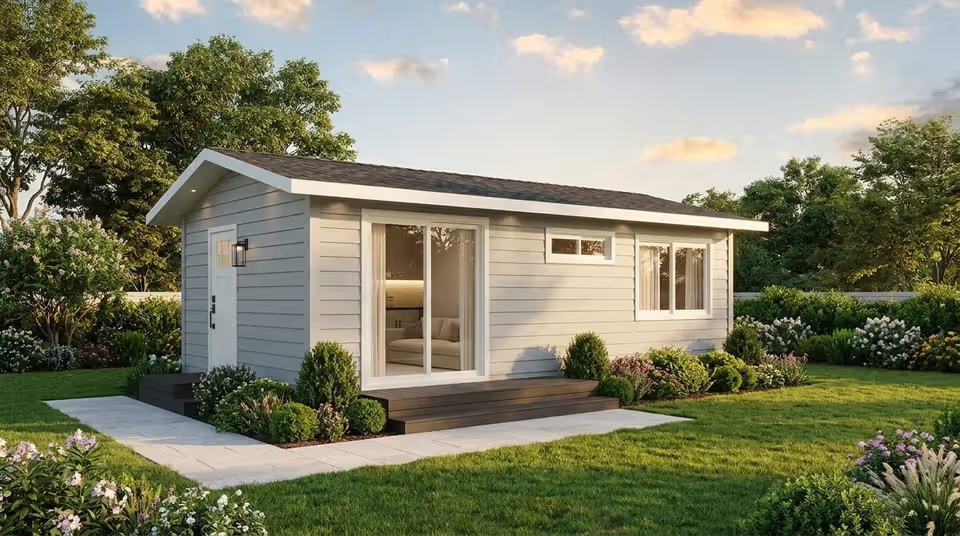
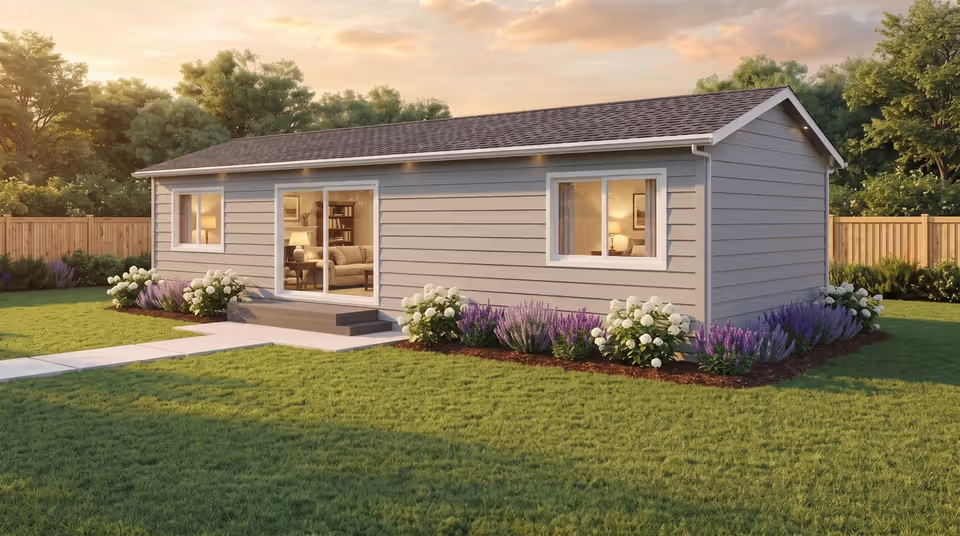
We build every home in our Salinas factory, about 35 minutes from Gilroy, and deliver it by crane onto your lot. Framework First offers 14 model homes, ranging from a 450 square foot studio at $199,000 up through a 1,200 square foot, 3 bedroom home at $599,000, with a permitting budget built into every price alongside plans through appliances. Everything in between, including popular 2 bedroom layouts in the 660 to 945 square foot range priced from roughly $309,000 to $479,000, is a matter of matching bedroom count and footprint to your lot and your budget.
One local detail worth knowing before you settle on a model: Gilroy caps detached ADUs at 1,000 square feet. Most of our lineup, including the Six Sixty, Seven Forty-Nine, and Nine Forty-Five models, fits comfortably under that limit as a standalone backyard home. Our two largest models, the Twelve Hundred and Twelve Hundred U at 1,200 square feet, would need to go through the attached path here rather than sitting on their own foundation, since attached ADUs are measured against 50% of the main home’s floor area instead of the flat detached cap. Gilroy’s roomier lots generally leave enough room to build detached and keep some yard, which is one reason it’s a popular ADU market. For the full permit picture, see our ADU permits in Gilroy guide.
How homeowners typically pay for it
We don’t lend directly, so financing runs through your bank or lender, not through us. The three paths we see most often from Gilroy homeowners are a HELOC against existing equity, a cash-out refinance of the primary mortgage, or a dedicated construction loan. Each has different tradeoffs around rate, timing, and how funds get released during the build, and we’d rather point you to guides that go deep on that comparison than give you a shallow version here. Read How to Finance an ADU in California for the full landscape and HELOC vs Construction Loan for an ADU if you’re weighing those two specifically. ADU Loans California covers loan products in more detail.
Why an all-inclusive price makes the loan number simpler
A lot of financing stress comes from not knowing the real final number. Builders who quote by phase, or who leave appliances, permits, and utility hookups as separate line items, force you to either over-borrow as a cushion or go back to your lender mid-project for more. Our pricing builds in a permitting budget, factory construction, delivery, crane set, and appliances into the number you see on the model. Actual permit costs are set by your city and county, so they’re property-specific and get confirmed in your feasibility study, and property-specific site work such as septic upgrades or retaining walls isn’t part of that number, though we offer it in-house under contract. That still means far less of a draw schedule full of open-ended change orders to finance around, and the amount you apply for with your lender stays close to what you’ll actually spend.
The two fees you’ll see before financing kicks in
Two payments happen before your main financing is even in place. The feasibility study is $497, or $997 if your lot is empty with no existing structure to reference, and it credits toward your build. It’s refundable only if your property genuinely cannot host an ADU. After that, a $1,000 signup deposit is refundable if your financing falls through, so you’re not locked in before your lender has actually approved you.
Can rental income help pay for it?
Some Gilroy homeowners plan to rent the ADU and use that income to offset the loan payment. As a planning reference, our sitewide rent benchmarks are roughly $2,000 a month for a studio, $2,500 for a 1 bedroom, $2,950 for a 2 bedroom, and $3,450 for a 3 bedroom, with net cash flow estimates built on 5% vacancy, 8% maintenance, property tax at 1.25% of the ADU’s cost per year, and insurance at 0.5% per year. These are planning estimates, not guarantees, and actual numbers will move with your specific lot and lender terms. One local rule to plan around: Gilroy does not allow ADU rentals under 30 days, and a deed restriction recording that gets filed before your permit is issued, so this is a long-term rental play, not a short-term one.
Getting started in Gilroy
We haven’t completed a project in Gilroy yet, but we’re actively building here and the city’s process works in your favor. With a pre-approved plan and complete documents, Gilroy can issue permits in about 15 working days, one of the faster timelines in the region. Custom plans follow the standard 60-day ministerial clock instead. For what that looks like start to finish, see our ADU timeline in Gilroy guide.
Frequently asked questions
Does Framework First offer financing directly?
No. We don’t lend directly. Homeowners typically use a HELOC, a cash-out refinance, or a construction loan through their own bank or lender, secured against home equity.
What do I pay before my loan is finalized?
Two fees come first: a $497 feasibility study ($997 if your lot is empty), which credits toward your build and is refundable only if your property can’t host an ADU, and a $1,000 signup deposit, which is refundable if your financing falls through.
Will my loan amount change once construction starts?
It shouldn’t move much. Our pricing builds in a permitting budget, construction, delivery, crane set, and appliances into one number. Permit costs themselves are set by your city and confirmed in your feasibility study, and any property-specific site work isn’t part of that number, so there’s rarely the kind of separate draws or change orders that typically inflate a construction loan past its original estimate.
Can I count on rental income to cover the loan payment?
You can plan around it, but treat the numbers as estimates, not guarantees. Our rent benchmarks and cash flow assumptions (vacancy, maintenance, tax, and insurance) are planning tools, and Gilroy’s 30-day minimum rental rule means this needs to be a long-term rental strategy.
Ready to run your numbers?
If you’re ready to see what an ADU actually costs on your Gilroy lot and how financing fits together, reach out through our contact page and we’ll walk through it with you.
Free Tool
Gilroy ADU rules lookup →
Answer a few questions and get the ADU rules for your Gilroy property, cited to official sources.
Free Tool
Free Gilroy property report →
Type your address and see your lot, what fits on it, and the local rules in one report.
More on building here: ADUs in Gilroy · Santa Clara County ADU regulations